

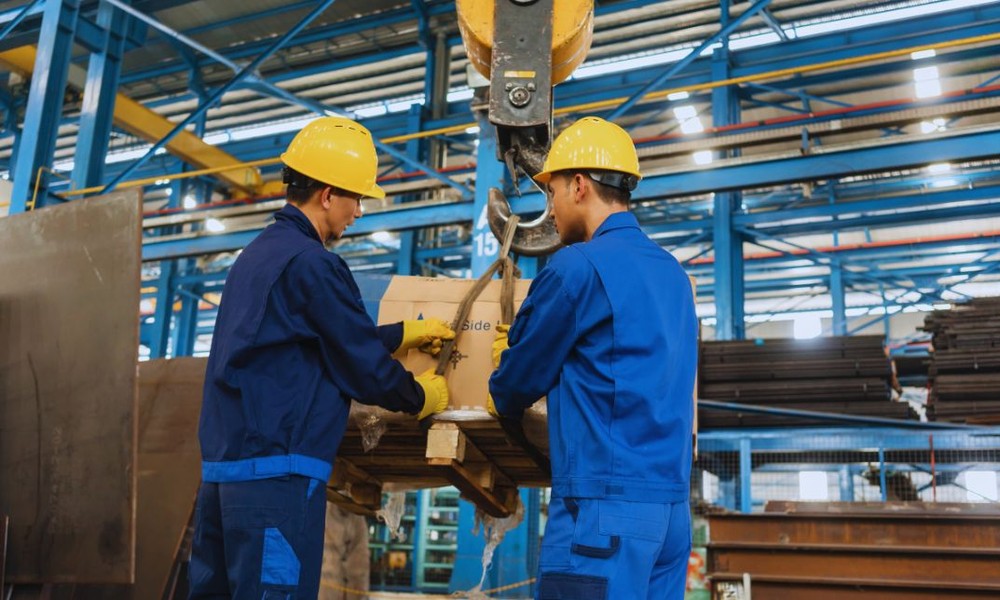
If your job involves lifting, carrying, pushing, or even sitting at a desk all day, manual handling training isn’t just a tick-box exercise. It’s the difference between going home pain-free or nursing a bad back for weeks. For businesses around Harcourt Street, Dublin 2, this matters more than most people realise – the area is packed with offices, retail units, and nearby warehouse/distribution operations that all fall under the same legal duty of care.
Quick Answer: Manual handling training teaches employees how to lift, carry, push, and pull safely to prevent injury. In Ireland, employers are legally required under the Safety, Health and Welfare at Work Act 2005 to provide this training. It typically covers correct lifting technique, risk assessment, and equipment use, and must be refreshed every 2-3 years for most roles.
Why Manual Handling Training Matters in Dublin Workplaces
In our experience working with businesses across Dublin 2 and the wider city centre, manual handling injuries are one of the most common – and most preventable – causes of workplace absence. The Health and Safety Authority (HSA) consistently flags musculoskeletal disorders (MSDs) as a top contributor to lost workdays in Ireland.
What makes Dublin slightly unique is the mix of building types. Many offices near Harcourt Street operate out of older Georgian buildings with narrow staircases and tight corridors, while nearby retail units on Camden Street or Wexford Street often have cramped stockrooms. Warehouses further out in industrial estates like Park West or Greenogue deal with a different challenge: higher volumes, pallets, and forklift traffic. Each setting needs a slightly different approach to training.
Manual Handling in Warehouses: The Core Risks
Warehouse work is physically demanding by nature. When we analyze accident reports from logistics operations, the most common injury triggers are:
- Repetitive lifting of boxes from awkward heights
- Twisting while carrying loads
- Lifting items that are heavier or more awkward than they look
- Poor team lifting coordination for bulky items
Step-by-step safe lifting technique for warehouse staff:
- Plan the lift – check the path is clear and the load isn’t too heavy to handle alone.
- Position your feet shoulder-width apart, close to the load.
- Bend your knees, not your back, keeping your spine in a neutral position.
- Get a firm grip and keep the load close to your body.
- Lift smoothly, using your legs, not jerking the load up.
- Avoid twisting – move your feet to turn, not your spine.
- Set the load down with the same controlled technique, reversing the steps.
We’ve found that the biggest improvement in warehouse injury rates often comes not from better technique alone, but from better task design – adjusting shelf heights, using trolleys, and reducing unnecessary carrying distances.
Manual Handling in Retail: Small Lifts, Big Risks
Retail manual handling training often gets overlooked because the items being lifted seem small – stock boxes, display units, till rolls, or stacked chairs. But repetition is the hidden danger here.
A typical retail worker on a high street near Harcourt Street might restock shelves dozens of times a shift, often bending and reaching in tight aisles. Over weeks and months, that repetitive strain adds up.
Key retail-specific guidance includes:
- Using step stools instead of stretching for high shelves
- Breaking down large deliveries into smaller, manageable loads
- Storing heavier stock at waist height, lighter stock higher or lower
- Training staff to recognise when to ask for help with bulky items like furniture or appliance boxes
Manual Handling in Offices: The Overlooked Category
Many people assume manual handling doesn’t apply to office work. That’s a mistake. Office-based manual handling covers things like:
- Moving boxes of files or paper during office moves
- Setting up or rearranging desks and equipment
- Carrying laptops, monitors, or printer supplies
- Adjusting display screen equipment (linked closely to ergonomic posture training)
In a city like Dublin, where many office buildings near Harcourt Street are older conversions with lifts that are small or sometimes out of service, staff often end up carrying items up stairs – which significantly increases strain compared to flat-ground lifting.
Comparing Manual Handling Risks Across Sectors
| Factor | Warehouse | Retail | Office |
|---|---|---|---|
| Typical load weight | Medium to heavy (10-25kg+) | Light to medium (1-15kg) | Light (under 10kg, usually) |
| Frequency | High, often continuous | Moderate, repetitive bursts | Low, occasional |
| Common injury type | Lower back strain, shoulder injuries | Repetitive strain, wrist/back | Posture-related, occasional strain |
| Key control measure | Mechanical aids (pallet trucks, hoists) | Trolleys, step stools | Ergonomic setup, task planning |
| Refresher frequency | Every 1-2 years (higher risk) | Every 2-3 years | Every 3 years (or as needed) |
The Legal and Regulatory Side
Under the Safety, Health and Welfare at Work (General Application) Regulations 2007, employers must:
- Carry out a manual handling risk assessment for tasks involving lifting
- Provide training appropriate to the risk level
- Reduce risks where possible (e.g., mechanical aids, task redesign)
- Keep training records up to date
The HSA’s Manual Handling Risk Assessment Tool (MAC Tool) is widely used across Irish workplaces – including many businesses operating near Harcourt Street – to score lifting tasks based on weight, posture, and frequency.
A Counter-Intuitive Tip Most Training Courses Miss
Here’s something we’ve noticed that rarely gets mentioned: training people to lift correctly isn’t always the most effective fix. If the task itself is poorly designed – say, stock stored too high, or desks positioned awkwardly – even perfect technique won’t fully protect someone over time.
The smarter long-term approach combines training with small workplace changes: adjusting shelf heights, adding trolleys, or simply rearranging a stockroom layout. We’ve seen offices and retail units cut repeat strain complaints significantly just by moving frequently-used items to easier-reach zones – no extra training needed.
Key Takeaways / Expert Verdict
- Manual handling training is a legal requirement in Ireland for any role involving lifting, carrying, or repetitive physical tasks.
- Warehouse roles need the most frequent refreshers due to higher loads and repetition.
- Retail and office roles are often under-trained, despite real injury risks from repetitive or awkward movements.
- Combining training with task redesign delivers better long-term results than training alone.
- For businesses around Harcourt Street, Dublin 2, building layout (stairs, narrow stockrooms, older conversions) should factor into how training is applied practically.
Frequently Asked Questions
1. How often does manual handling training need to be renewed in Ireland? Most guidance recommends refreshing every 2-3 years, though higher-risk roles like warehouse work may need annual or biennial refreshers depending on the risk assessment.
2. Is manual handling training required for office staff? Yes. Even occasional lifting – like moving boxes during an office move – falls under manual handling regulations, so training is still required.
3. What’s the maximum weight an employee can be asked to lift? There’s no single legal weight limit in Ireland. Instead, employers must assess each task individually using guidance like the HSA’s MAC Tool, factoring in weight, posture, frequency, and the individual worker.
4. Can manual handling training be done online? Yes, theory-based training can be completed online, but practical components – especially for warehouse roles – should ideally include hands-on demonstration and assessment.
5. Who is responsible for providing manual handling training? The employer is legally responsible for ensuring staff receive appropriate training, regardless of company size or sector.